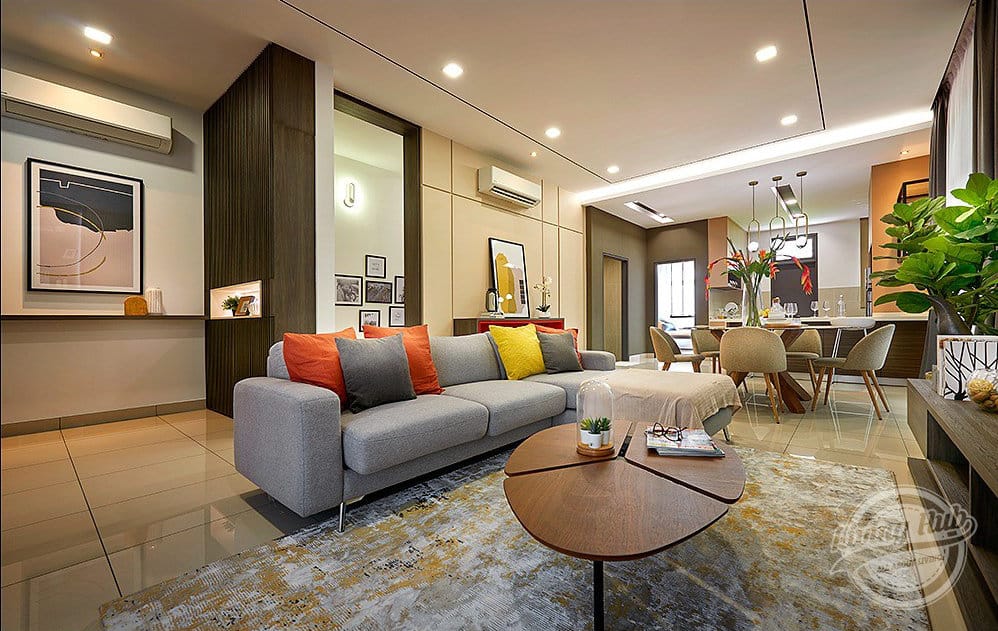
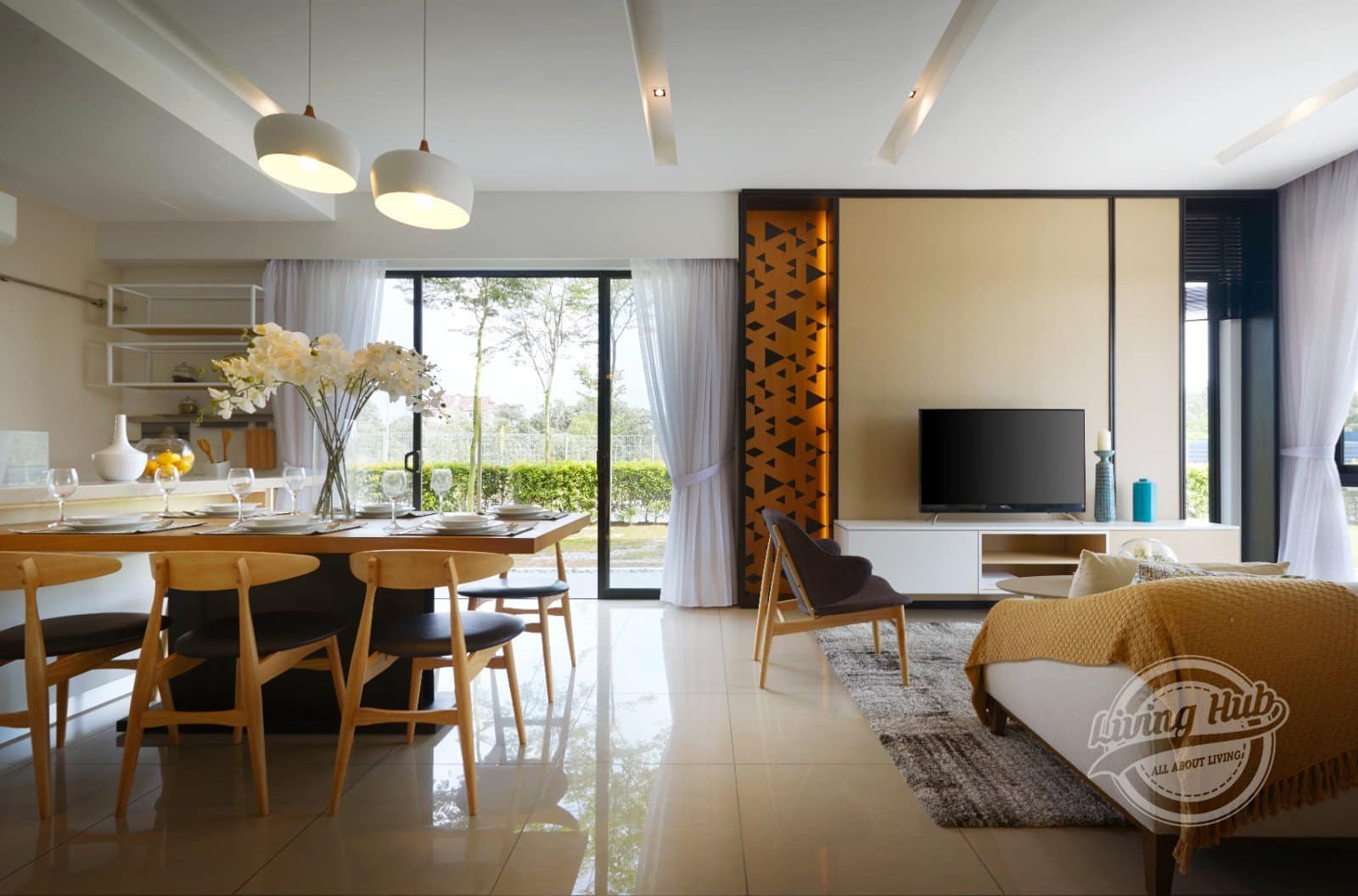
Elevating the standard of luxury living through visionary architecture. From complex A&A projects to bespoke interior curation, our expert team maximizes the potential and value of your landed property in Singapore.
Q: How should I budget for a landed property transformation in Singapore?
Renovating a landed estate is a significant investment in both lifestyle and asset value. Interior refurbishments typically start from S$200,000 to S$500,000. However, for projects involving structural A&A (Additions & Alterations) or reconstruction, budgets often exceed S$1.5 million.
Investment Breakdown:
Structural & Architectural (A&A): S$100k – S$500k+ (Extensions, foundation works, and structural reinforcements).
Integrated Tech & Automation: S$50k – S$200k (Smart security, climate control, and home theater).
Professional Tip: We recommend a 10% to 15% contingency fund to navigate the complexities of structural work and site-specific requirements seamlessly.
Q: What is the typical timeline for a landed property transformation?
The duration of a landed project is primarily dictated by its structural complexity. On average, timelines are categorized as follows:
Interior Refurbishment: 9 – 13 Months
Additions & Alterations (A&A): 11 – 14 Months
Full Reconstruction: 18 – 24 Months
Navigating Potential Delays: Landed projects in Singapore require meticulous coordination with authorities including URA, BCA, PUB, and SCDF. A delay in a single clearance can impact the entire schedule. At SG Livinghub, we mitigate this through proactive permit management and early procurement of long-lead items—such as imported marble or bespoke fixtures—to ensure global supply chain fluctuations do not stall your home’s progress.
Q: What are the critical regulatory requirements for landed renovations?
In Singapore, landed property transformations are strictly governed by URA and BCA guidelines. Every property type—Terrace, Semi-Detached, or Detached—must adhere to specific setback requirements, building height limits, and site coverage ratios.
Key Compliance Pillars:
Professional Endorsement: For any structural or A&A work, a Qualified Person (QP)—such as a registered architect or engineer—is legally required to submit plans for approval.
Specialized Clearances: Modifications affecting drainage require PUB intervention, while fire safety measures must align with SCDF standards.
Heritage Sensitivity: If your property is a Conservation House, additional restrictions apply to preserve its historical integrity.
At SG Livinghub, we believe that intelligent design begins with absolute compliance, ensuring your investment is protected from the very start.
Q: How do I choose luxury materials that last for my landed home?
True luxury in a landed property is defined by materials that retain their beauty over time.
Sophisticated Surfaces: While natural stone is timeless, we often curate High-performance Quartz or Sintered Stone as a durable, non-porous alternative to marble that resists staining and moisture.
Weather-Proof Finishes: For outdoor-indoor transitions, we use specialized sealants and Composite materials that mimic natural textures without the heavy maintenance requirements.
Thermal Comfort: By integrating insulated roofing and Low-E windows, we create a “cool-shell” effect, reducing your long-term energy costs and enhancing living comfort.
Q: How do I identify the right partner for a complex landed renovation?
Landed projects involve intricate structural and regulatory layers that go far beyond standard interior design. A reliable partner should demonstrate:
Proven Track Record: A portfolio of completed A&A or reconstruction projects of a similar scale.
Integrated Expertise: In-house design and technical teams to ensure seamless coordination between architectural vision and structural execution.
Fiscal Transparency: Comprehensive, itemized quotations that eliminate “hidden costs” and vague lump sums.
Warning Signs to Watch For:
Unrealistically Low Bids: This often signals compromised material quality or a lack of understanding of structural complexities.
Ambiguous Contracts: Beware of vague terms regarding Variation Orders (VOs), which can lead to unexpected financial escalations mid-project.