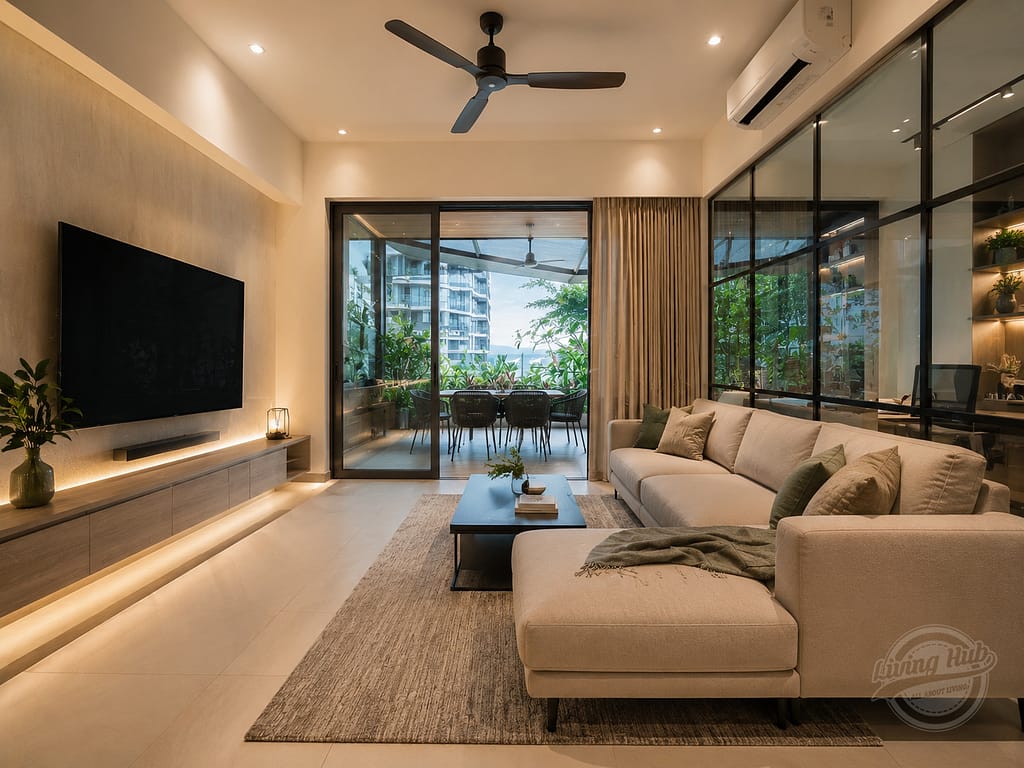
Choosing the right renovation contractor for your condominium in Singapore can make the difference between a smooth renovation journey and months of stress, delays, and unexpected costs.
Most homeowners focus heavily on pricing, 3D designs, or recommendations from friends. However, the biggest renovation problems often come from details that are overlooked during the selection process.
Here are 10 important things homeowners in Singapore commonly miss when choosing a condo renovation contractor.
1. Focusing Only on the Total Price Instead of the Detailed Quotation
A low quotation may look attractive at first glance, but many renovation disputes begin because the quotation lacks detail.
For example:
- Carpentry: $18,000
- Electrical works: $3,500
- Painting: $2,000
Without specifying:
- Material brands
- Board thickness
- Hardware models
- Internal cabinet structure
- Number of power points
- Waterproofing scope
This often leads to unexpected additional charges later in the project.
A professional contractor should provide a transparent and itemized quotation that clearly explains the scope of work and materials used.
2. Not Verifying HDB or Industry Certifications
In Singapore, certain renovation works must be carried out by properly licensed or registered professionals.
This includes:
- Waterproofing works
- Hacking of walls
- Electrical installation
- Gas-related works
Homeowners should always verify whether the contractor or specialist is properly certified.
Useful official resources include:
3. Not Knowing Who Will Actually Handle the Renovation
Many renovation companies in Singapore operate mainly as sales or design firms.
The person you meet during consultation may not be the person managing your renovation site.
In some cases, the work is outsourced through multiple layers of subcontractors, resulting in:
- Communication gaps
- Inconsistent workmanship
- Delays and coordination issues
Before signing, homeowners should clarify:
- Who manages the project daily
- Who supervises the workers
- Whether carpentry is done in-house
- Whether the company uses long-term or temporary subcontractors
4. Looking Only at 3D Designs Instead of Real Completed Projects
Modern 3D renderings can look impressive, but they do not guarantee actual workmanship quality.
What truly matters includes:
- Finishing details
- Alignment and leveling
- Cabinet installation quality
- Waterproofing performance
- Paint finishing
- Hardware installation
Whenever possible, ask to view:
- Real project photos
- Walkthrough videos
- Completed homes after several months of use
- Actual site visits
5. Ignoring Variation Order and Change Clauses
One of the biggest reasons renovation budgets increase is project changes during construction.
However, many homeowners fail to check how these changes are handled contractually.
A proper renovation contract should clearly state:
- How variation works are priced
- Whether changes affect the timeline
- Approval procedures for additional work
- Warranty implications
Without clear terms, homeowners may face unexpected costs later.
6. Not Reviewing the Payment Schedule Carefully
Be cautious if a contractor requests a very high upfront payment.
Warning signs include:
- 70% to 90% payment before work starts
- Cash-only arrangements
- No official invoices
A safer structure usually involves stage payments, such as:
- Deposit
- After demolition works
- After carpentry installation
- After painting completion
- Final payment upon handover and defect rectification
Retaining a small final balance until defects are resolved provides additional protection.
7. Having Unrealistic Expectations About Renovation Timelines
Many homeowners expect full renovations to be completed within a few weeks.
In reality, renovation schedules in Singapore can be affected by:
- Material shortages
- Custom glass or stone fabrication
- Public holidays
- Condo management approvals
- Lift booking schedules
- Imported material delays
An experienced contractor should provide realistic timelines and buffer periods instead of making overly optimistic promises.
8. Overlooking After-Sales Service and Warranty Support
Warranty is not just about duration — responsiveness matters equally.
Homeowners should ask:
- What is covered under warranty?
- How long is the coverage?
- Who handles after-sales support?
- How quickly are issues resolved?
- How are water leakage issues managed?
- Are hardware replacements included?
Reliable after-sales support is often a strong indicator of a trustworthy renovation company.
9. Ignoring Condo Management Restrictions
Every condominium has its own renovation regulations.
These may include:
- Approved renovation hours
- Noise restrictions
- Weekend work limitations
- Lift protection requirements
- Renovation deposits
- Disposal procedures for renovation debris
A contractor experienced with condominium projects can help homeowners avoid unnecessary penalties, delays, or management disputes.
10. Comparing Only Price Instead of Communication Quality
One of the most overlooked factors in renovation success is communication.
A contractor who communicates clearly, responds promptly, and proactively updates homeowners throughout the project often creates a far smoother renovation experience than one who simply offers the cheapest quote.
In Singapore’s multicultural environment, effective communication between homeowners, designers, suppliers, and workers is essential for a successful project outcome.
Final Thoughts
Renovating a condominium is a major investment, both financially and emotionally.
Instead of choosing a contractor based solely on pricing or marketing materials, homeowners should evaluate:
- Transparency
- Workmanship quality
- Communication
- Project management
- After-sales support
- Industry experience
A successful renovation is not necessarily the cheapest one — it is the one completed with professionalism, reliability, and peace of mind.