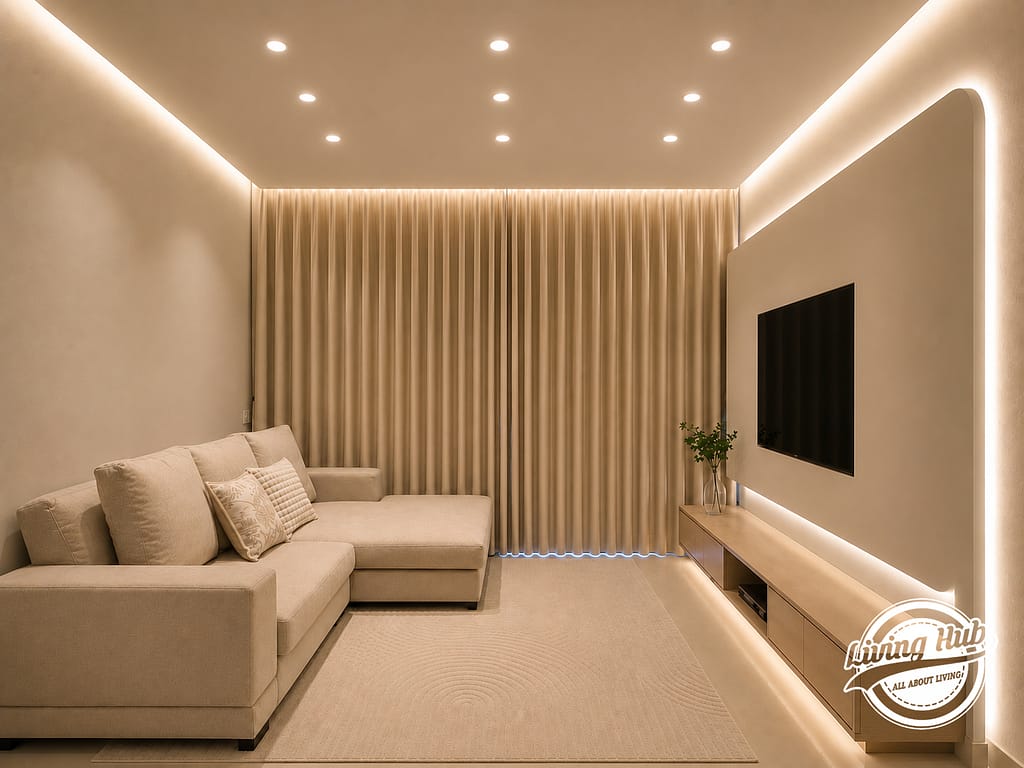
For years, minimalist interiors in Singapore were dominated by cool grey palettes, stark white walls, glossy surfaces, and ultra-clean spaces that looked straight out of a showroom.
But today, homeowners are moving away from interiors that feel cold and impersonal.
A new design movement is taking over modern homes across Singapore:
Warm Minimalism
Instead of focusing only on simplicity, Warm Minimalism emphasizes comfort, calmness, texture, and emotional warmth. It combines clean aesthetics with a softer and more livable atmosphere — creating homes that feel elegant, welcoming, and deeply personal.
Why Cold Minimalism Is Losing Popularity
Minimalist interiors became extremely popular because they looked modern, luxurious, and visually clean.
However, many homeowners eventually realized that overly cold interiors can feel:
- Sterile
- Empty
- Difficult to maintain
- Emotionally distant
- More like a hotel lobby than a home
As people spend more time at home — especially after the rise of remote work and flexible lifestyles — priorities have changed.
Today’s homeowners want spaces that not only look beautiful, but also feel relaxing and comforting.
What Exactly Is Warm Minimalism?
Warm Minimalism keeps the simplicity of minimalist design, but introduces softer materials, warmer tones, and natural textures.
The goal is no longer “less for the sake of less.”
Instead, it is about creating intentional spaces that feel calm, balanced, and lived-in.
Typical Warm Minimalist interiors include:
- Warm beige and cream palettes
- Natural wood textures
- Soft indirect lighting
- Linen and textured fabrics
- Rounded furniture edges
- Minimal clutter
- Natural materials and greenery
The result is a home that feels peaceful without feeling cold.
Why Warm Minimalism Works So Well in Singapore
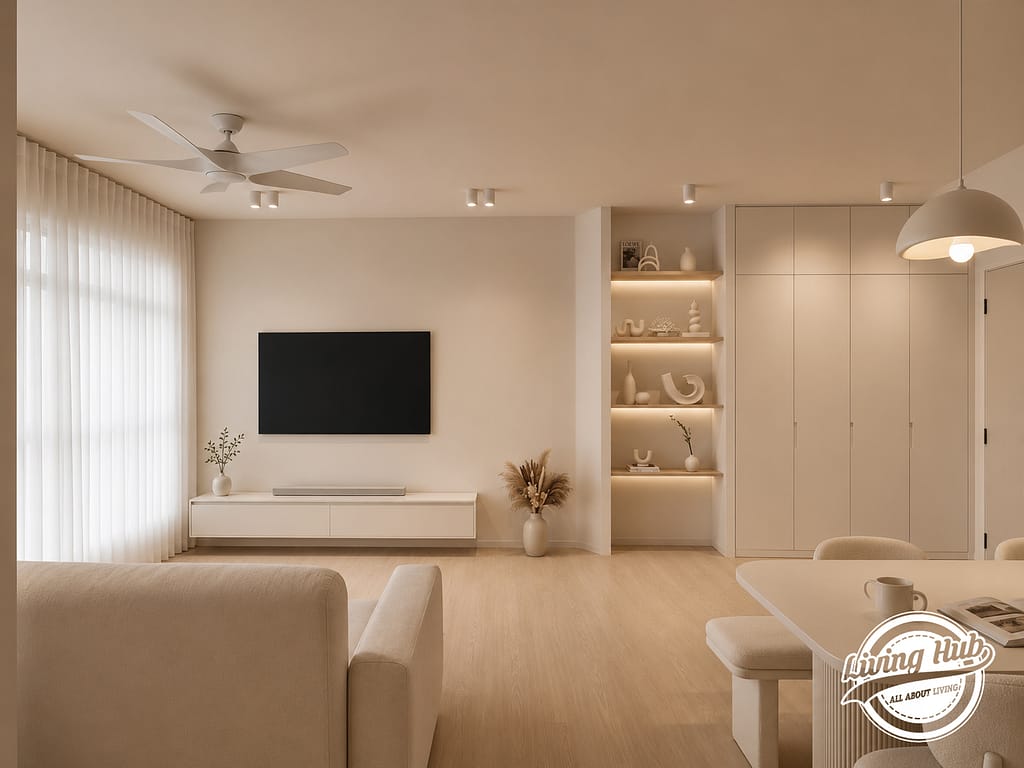
Warm Minimalism is especially suitable for Singapore homes because it complements modern condo living and tropical lifestyles.
Many Singapore homeowners live in:
- Compact condominiums
- BTO flats
- Small apartments with open layouts
Warm Minimalism helps these spaces feel:
- Brighter
- More spacious
- More relaxing
- Better organized
- More connected to nature
The use of soft lighting, breathable fabrics, and natural wood tones also works beautifully with Singapore’s warm climate.
The Rise of “Lived-In Luxury”
One major shift in interior design trends is the move away from perfectly staged showroom spaces.
Today, homeowners prefer homes that feel authentic and comfortable.
This is often referred to as:
“Lived-In Luxury”
Instead of sharp lines and glossy perfection, modern interiors now embrace:
- Cozy textures
- Layered lighting
- Soft furnishings
- Organic materials
- Subtle imperfections
- Everyday functionality
A warm minimalist home is not meant to impress only visually — it is designed to improve the way people live daily.
Warm Minimalism Is More Than a Style
What makes Warm Minimalism so appealing is that it reflects a lifestyle shift.
People are increasingly prioritizing:
- Mental wellness
- Emotional comfort
- Quiet environments
- Simplicity
- Long-term livability
Rather than designing homes purely for social media or resale value, homeowners are now designing spaces around how they want to feel.
That is why Warm Minimalism often feels timeless rather than trendy.
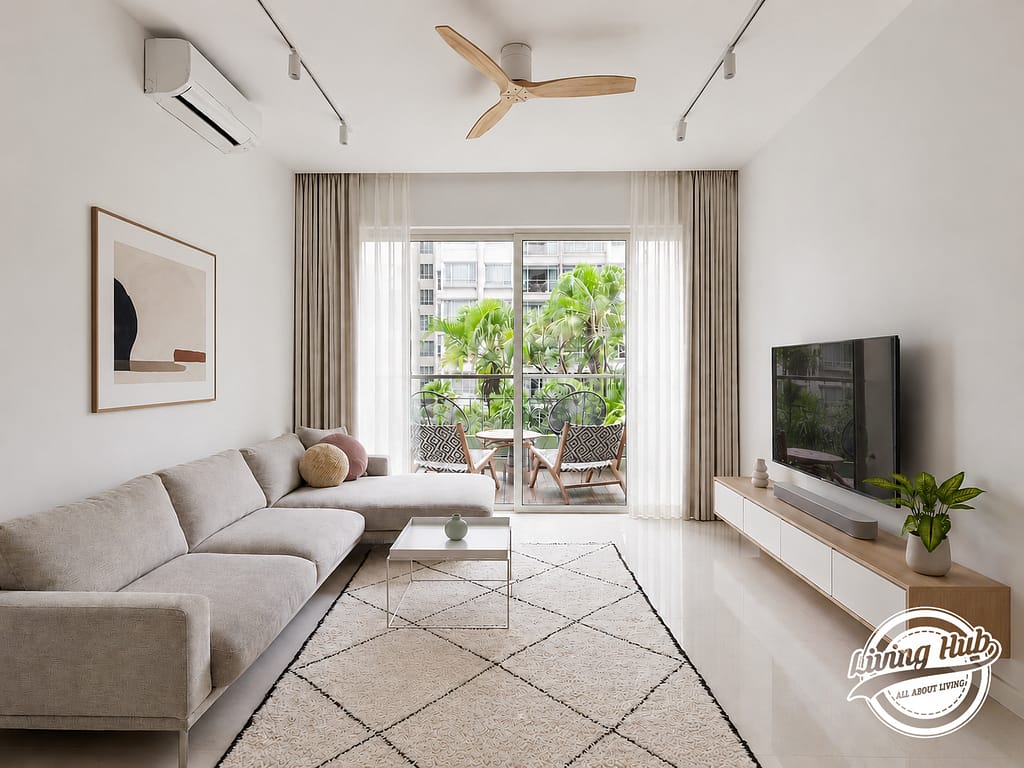
Key Design Elements of Warm Minimalism
1. Warm Neutral Color Palettes
Instead of cool grey and bright white, homeowners are choosing:
- Cream
- Sand
- Taupe
- Warm beige
- Soft brown tones
These colors create a softer and more calming environment.
2. Natural Wood Finishes
Wood textures bring warmth and depth into minimalist interiors.
Popular choices include:
- Oak
- Walnut
- Ash wood
- Wood veneer finishes
Natural grain patterns help spaces feel more organic and welcoming.
3. Layered Ambient Lighting
Lighting has become one of the most important parts of modern interior design.
Warm Minimalist homes often use:
- Cove lighting
- Indirect lighting
- Soft pendant lights
- Warm LED tones
- Floor lamps and accent lighting
Instead of making spaces brighter, the focus is now on creating mood and atmosphere.
4. Functional and Hidden Storage
Minimalism still values clean spaces, but functionality is now equally important.
Modern homeowners prefer:
- Full-height cabinetry
- Hidden storage solutions
- Integrated appliances
- Multipurpose furniture
- Seamless carpentry details
The objective is to reduce visual clutter without sacrificing practicality.
5. Connection to Nature
Warm Minimalist interiors frequently include elements inspired by nature, such as:
- Indoor plants
- Natural sunlight
- Stone textures
- Earthy materials
- Open balcony spaces
This creates a calmer and more restorative environment — especially important in busy urban cities like Singapore.
The Future of Singapore Interior Design
Warm Minimalism is not simply replacing cold minimalism because it looks better.
It is becoming popular because homeowners are redefining what luxury means.
Luxury today is no longer about excess, glossy finishes, or dramatic design statements.
Instead, modern luxury is increasingly associated with:
- Comfort
- Peacefulness
- Functionality
- Timelessness
- Emotional well-being
As Singapore homeowners continue to prioritize quality living and intentional design, Warm Minimalism is likely to remain one of the strongest interior trends for years to come.
Final Thoughts
A beautiful home is no longer just about visual perfection.
The best interiors today are the ones that make people feel relaxed, comfortable, and truly at home.
Warm Minimalism succeeds because it balances simplicity with warmth — creating spaces that are elegant without feeling cold, minimal without feeling empty, and luxurious without trying too hard.
In many ways, it represents the future of modern living in Singapore.