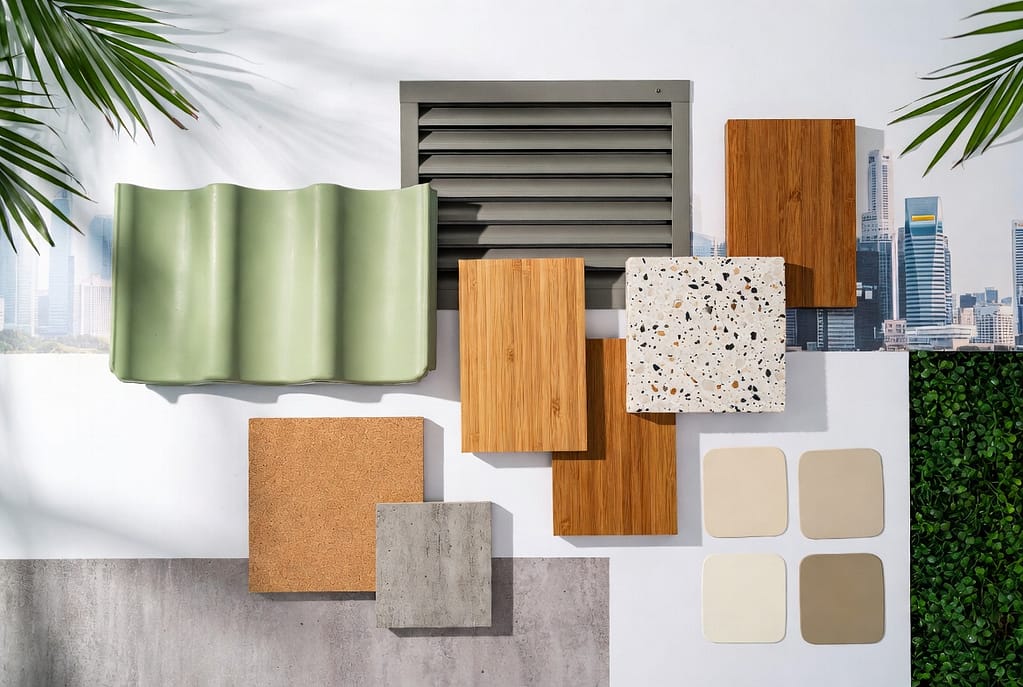
Designing or renovating a home in Singapore requires more than just aesthetic decisions—it demands a deep understanding of the local climate. With year-round heat, high humidity, and frequent rainfall, the materials you choose must be durable, moisture-resistant, and easy to maintain. Selecting the right materials not only enhances comfort but also extends the lifespan of your interiors.
1. Understand Singapore’s Climate Challenges
Singapore’s tropical climate is characterized by:
- High humidity levels (often above 80%)
- Consistent temperatures between 25–32°C
- Heavy rainfall and occasional strong winds
These conditions can lead to issues like mold growth, warping, corrosion, and discoloration if unsuitable materials are used.
2. Prioritize Moisture-Resistant Materials
Humidity is the biggest concern for interiors. Materials that absorb moisture easily can deteriorate quickly.
Recommended options:
- Porcelain or ceramic tiles for flooring and walls
- Quartz countertops instead of natural marble (less porous)
- PVC or aluminum cabinetry for kitchens and bathrooms
Avoid untreated solid wood in high-moisture areas, as it can swell and warp over time.
3. Choose Heat-Resistant and UV-Stable Finishes
Constant exposure to sunlight can cause fading and material degradation.
Smart choices include:
- UV-resistant laminates and paints
- Powder-coated metals for fixtures
- Engineered wood with protective coatings
For window treatments, consider solar films or double-layer curtains to reduce heat gain indoors.
4. Opt for Breathable and Mold-Resistant Surfaces
Poor ventilation combined with humidity can lead to mold issues.
Best practices:
- Use anti-mold paint, especially in bathrooms and kitchens
- Select breathable materials like lime plaster or certain textured finishes
- Incorporate ventilation panels or slatted designs in wardrobes
These help regulate airflow and reduce trapped moisture.
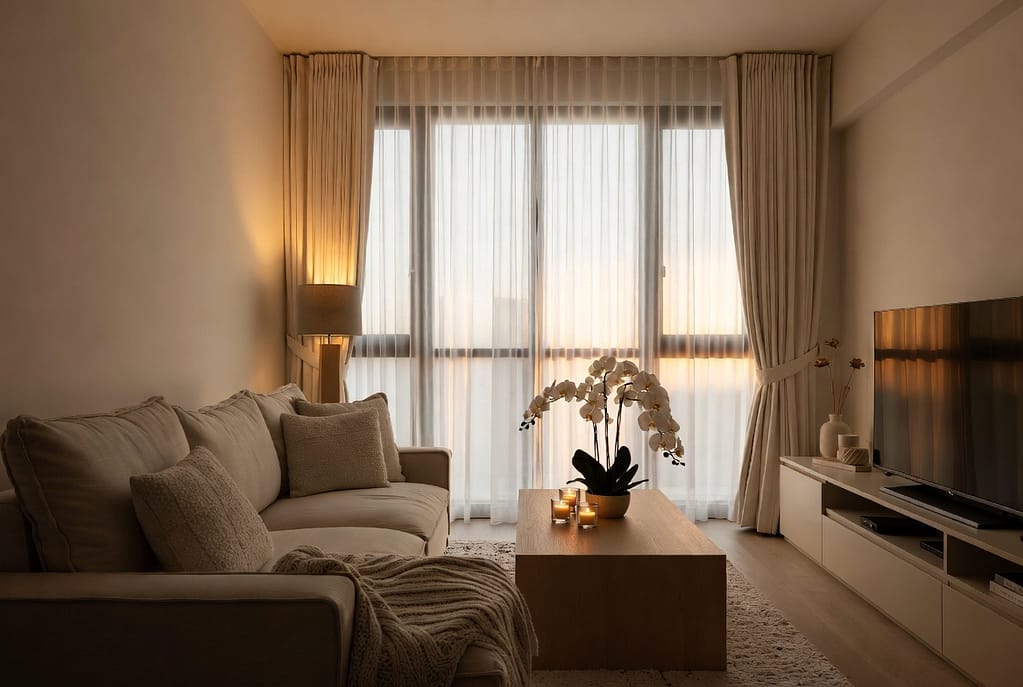
5. Flooring Matters: Stay Cool and Durable
Flooring plays a major role in thermal comfort.
Ideal flooring materials:
- Tiles (cool underfoot and water-resistant)
- Vinyl flooring (waterproof and budget-friendly)
- Engineered wood (more stable than solid wood)
Avoid carpets in most areas, as they trap moisture and are harder to maintain in humid conditions.
6. Go for Rust-Resistant Metals
In humid environments, metal fixtures can corrode quickly.
Recommended materials:
- Stainless steel (especially grade 304 or 316)
- Aluminum
- Brass with protective coatings
These are ideal for kitchen fittings, bathroom accessories, and even furniture frames.
7. Outdoor and Balcony Materials
If your condo includes a balcony, materials must withstand rain and sun exposure.
Suitable options:
- Outdoor-rated tiles with anti-slip surfaces
- Synthetic decking instead of natural wood
- Weather-resistant rattan or metal furniture
Proper drainage and slight floor gradients are also essential to prevent water pooling.
8. Sustainability and Long-Term Value
Choosing climate-appropriate materials is also a sustainable decision. Durable materials reduce the need for frequent replacements, saving both cost and resources.
Look for:
- Eco-certified materials
- Low-VOC paints and finishes
- Locally sourced options when possible
Final Thoughts
In Singapore’s climate, material selection is not just about style—it’s about performance. By prioritizing moisture resistance, durability, and thermal comfort, you can create a home that not only looks beautiful but also stands up to the environment.
A well-chosen material palette ensures your space remains comfortable, low-maintenance, and timeless—no matter the weather outside.